Lenovo laid off its XR business unit to focus on AI and wearables
In this VR winter, every day we keep reading news about layoffs of people working in AR/VR. Today I inform you about a new one: Lenovo has recently laid off its XR business unit in the US.
Layoffs at Lenovo
I’ve been informed about this news by a trusted source. Lenovo laid off the people working in its business-oriented XR unit in the United States. Most of the people were let go from the company, while some others were able to find another position within the company.
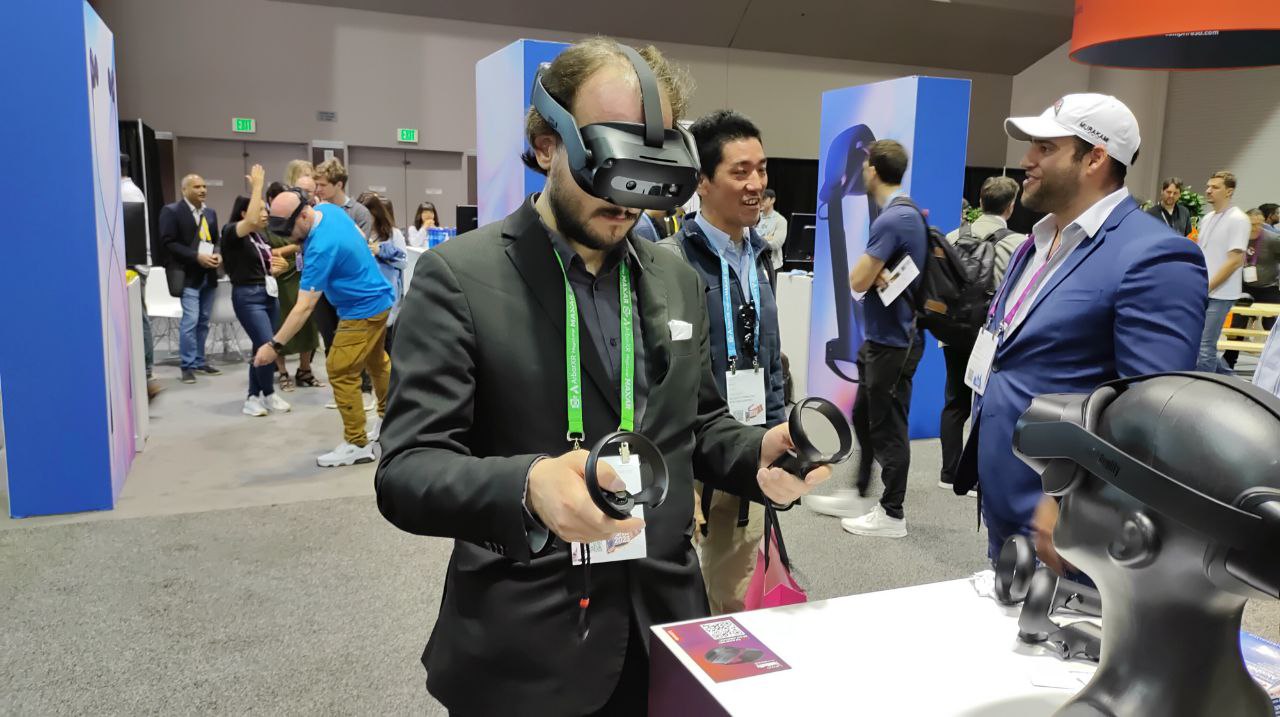
The news caught me off guard: Lenovo has always been one of the most prolific companies in the XR field. It was also very active on the B2B side with its ThinkReality AR glasses. I think you remember well that it was one of the companies building a mixed reality headset with the HorizonOS operating system “for productivity, learning, and entertainment.” And it was a big partner for Qualcomm for its Snapdragon Spaces development environment. I wasn’t expecting it to abandon XR at all.

The lukewarm reception of Snapdragon Spaces and Meta’s cancellation of the HorizonOS headset represented huge investments by Lenovo that yielded no return. So, probably this, together with the general disinvestment by companies in VR, made Lenovo change its mind about its XR priorities.
I’m really sorry for what happened, and I truly hope the people affected by the layoffs are going to find a new job soon.
Lenovo and its new AI-driven direction
Since my source is a trusted one, I know for sure the news is true. But to double-check it and have more information about it, I’ve written directly to Lenovo’s PR department, asking for confirmation about the layoffs and also asking if Lenovo is still committed to XR. This is the official answer I got from a company spokesperson:
As the XR market evolves, we see stronger momentum and broader consumer adoption around AI-enabled wearables. As a result, Lenovo is transitioning from a business-first XR strategy under our ThinkReality brand to a more consumer-focused approach within Motorola. This is intended to create a more centralized organization focused on strengthening Lenovo’s ecosystem of AI-enabled and AI-native consumer wearable devices. It will also advance our strategy of delivering a unified Personal AI experience across multiple devices — from AI PCs and tablets to smartphones and wearables. We will continue to focus on making wearable AI devices more accessible, scalable, and personalized as part of our broader vision of enabling Smarter AI for All.
The first interesting thing is that the PR department has not denied that layoffs are ongoing, so the news is confirmed. But the whole statement goes beyond just talking about layoffs. Lenovo is completely changing its direction about XR, basically (almost) abandoning AR/VR dedicated to B2B and focusing more on B2C and AI. When I hear about “wearables” and “AI”, my first thought is “smart glasses”. So it seems that Lenovo is doing what other companies in our field, like Meta or HTC, have done lately: disinvesting from XR and reinvesting in smart glasses. I don’t get why they are not also focusing on the B2B uses of smart glasses, though, and just focusing on consumers.
Lenovo is recently talking a lot about “AI Solutions”, and this narrative fits much more with smart glasses than VR headsets. They’re trying to create an ecosystem that is more coherent around the “Smarter AI for All” mission, and glasses will be a part of it.

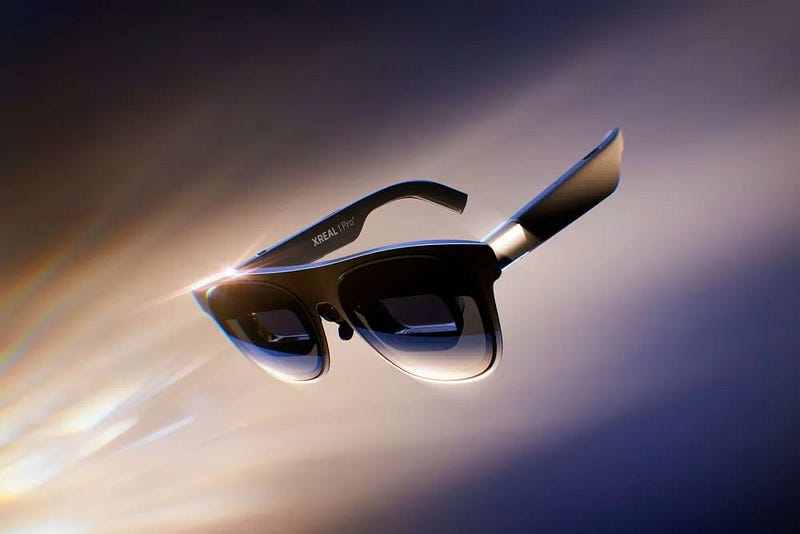
We already had some hints in this sense. At CES 2026, Lenovo teased its Lenovo AI glasses concept that was presented this way:
Lenovo’s AI Glasses Concept transforms how users interact with their surroundings and unifies their workflow, offering a blend of AI assistance, multimedia control, and multi-device integration.
Wirelessly tethered to a smart device, the AI glasses feature intuitive touch and voice controls, hands-free calling, a teleprompter for presentations and speaking engagements, and music playback. Users can stay connected to their personal technology without ever reaching for a phone or PC.
Powered by Lenovo Qira, the concept leverages AI capabilities from paired smartphones or PCs to deliver sub-millisecond live translation and intelligent image recognition—bringing instant understanding and context to what users see and hear. As users start their day, they can quickly get up to speed with the Catch Me Up feature, which displays a summary of their notifications across multiple devices.
Weighing just 45g, the Lenovo AI Glasses Concept merges comfort with cutting-edge design to deliver up to 8 hours of productivity and entertainment. The smart glasses embody a vision of seamless, AI-enhanced living, where technology works seamlessly with you, all day long.
The mention of Motorola in the PR statement I received may mean that this Lenovo concept will probably evolve into some Motorola glasses to be officially launched in a few months. There has been no official confirmation about this, though. I guess time will tell.
B2B and the VR Winter
Lenovo abandoning (or, at least, heavily disinvesting from) the B2B side of XR is quite huge news in my opinion, because it was a company quite active in the field.
This confirms what I’ve been writing on this blog in the past few weeks: it’s not only the gaming side of VR that is going through the “Winter”, but it is the technology in general. While there are still many valid use cases for AR/VR in enterprise settings, the sector has been impacted by the general disinterest in XR and the exaggerated attention to AI. I see this in my everyday work; I saw this in the eyes of the other VR professionals I spoke with while traveling, and now I also see this in the news of a major tech company moving its focus away from it.
The good news is that the smart glasses sector is growing, both in the consumer and the enterprise side: this is where we should put our attention business-wise.
(PS If you found this article informative, consider subscribing to my newsletter not to miss news like this in the future; and donating to my Patreon to support my efforts in informing the XR community)
Disclaimer: this blog contains advertisement and affiliate links to sustain itself. If you click on an affiliate link, I'll be very happy because I'll earn a small commission on your purchase. You can find my boring full disclosure here.